May 2013
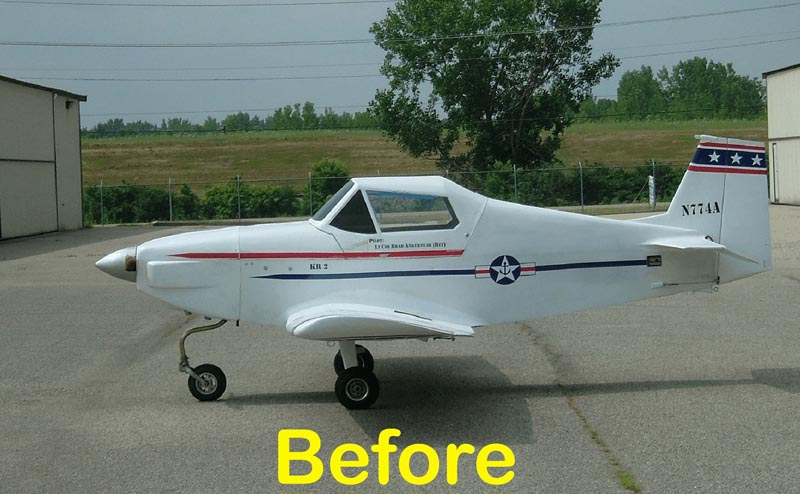
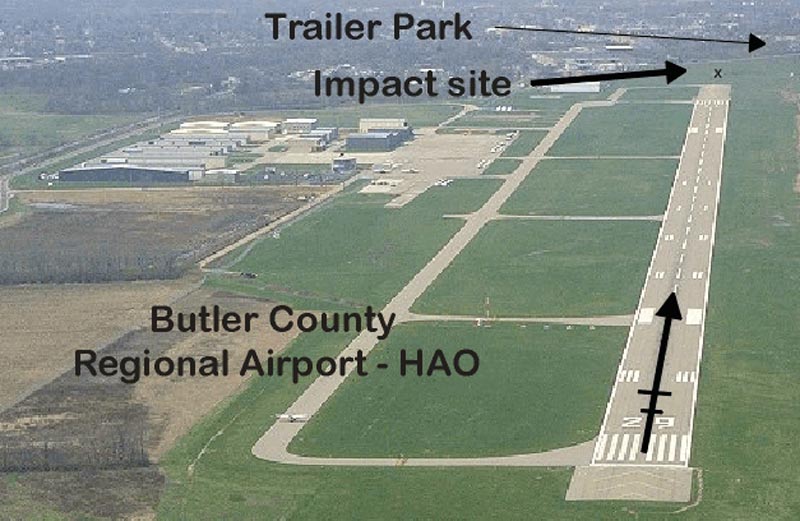
N774A was destroyed at 1803 on 11 may 2013 at Butler County Regional Airport (HAO) in Hamilton, Ohio.
This was to be the first “official” test flight. It had been flown three years prior, for .7, after an inadvertent take off. The flight was frightening, and the landing required a conversion to tricycle gear. After conversion and repairs, the 1835cc VW engine, with a 54x42 prop, was run about 20 hours, achieving 3100 rpm static before the brakes started slipping.
The flight test was performed by a 2600 hour Air Force fighter pilot with an ATP and a CFII. He taxied 74A for well over an hour on the ramp and in a series of taxi tests up to 60mph. He then flew Tom Nelson’s N51TU for an hour in the anticipated first flight test profile.
The test flight started with brakes on, full throttle, release brakes at 2800RPM and rotate at 65mph. Accelerated to 80 (rpm unknown) and climbed to about 30 ft. where further climb was not happening. He dropped the nose to build speed to 90 but it merely bled off with back pressure. Two attempts put him near the decision point and he had decided to go around and land. At that point the engine sound changed and power decreased substantially. Upon loss of thrust, the aircraft began a tail heavy sink. He got the nose below level flight and had enough room to land, but he was sinking, not gliding. He tried to apply stick pressure to raise the nose, but not stall, and ran out of altitude. He hit the ground, right wing, then nose gear, on centerline about 1000 feet past the threshold. Zero ground roll. It stuck in the soft dirt just like a dart.
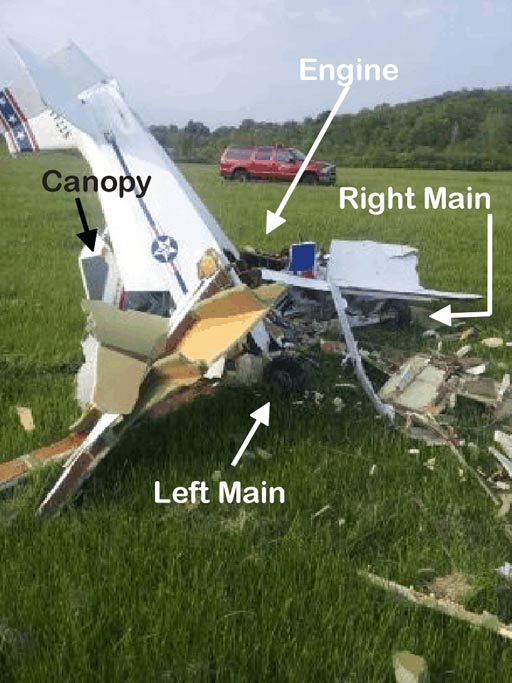
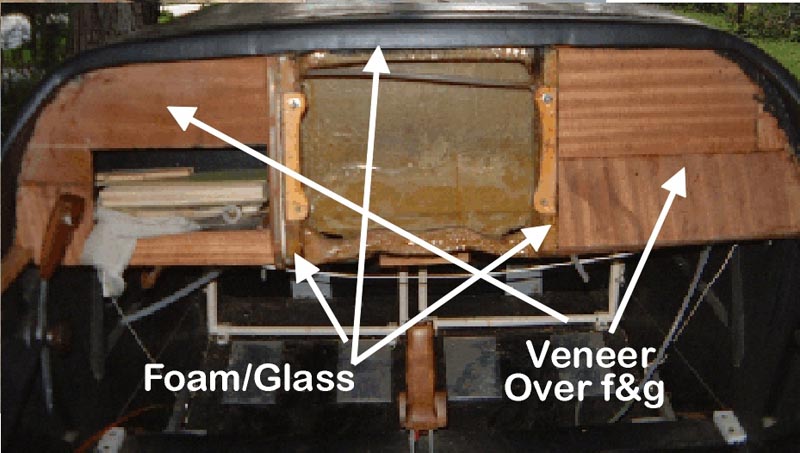
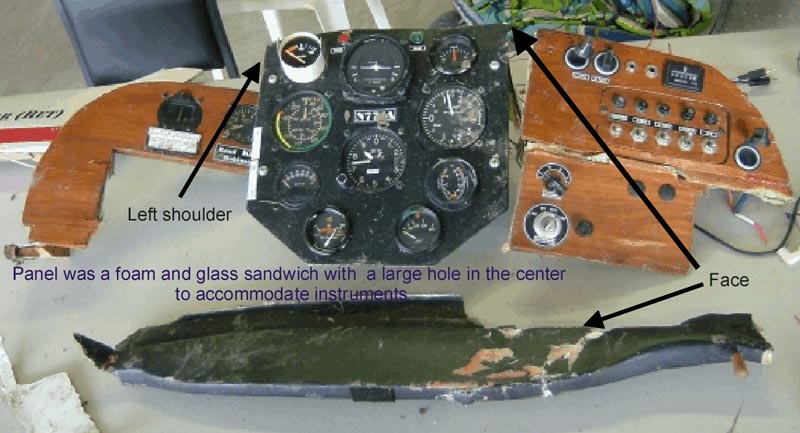
Main gear had no mud on top of the wheel. The plane broke behind the panel and the engine ended up pointing 90degrees to the right. The pilot lurched forward (lap belt only) and his face hit the glare shield. His left shoulder hit the left side of the aluminum part of the panel and his groin bent the stick. The pilot walked away with a bloody face and a badly broken nose. Surgery was required and he is now fully recovered.
The primary reason I felt compelled to share all this is that I am completely convinced that the airplane falling apart, as it did, absorbed so much energy it minimized his injuries. How could a guy with a 36” inseam not break a leg? We KR guys have seen several of these accidents; that destroy the plane without life threatening injuries. The spars did break, but the airframe was built in 1975.
The FAA out briefed me on 2 July and attributed the engine failure to vapor lock. Although the engine had run fine for well over an hour just prior to flight, they felt the ethanol in the premium auto gas, and the age if the gas were contributors. The fuel had been tested by the lab at Wright Patterson, but none of us really understood the technical data.
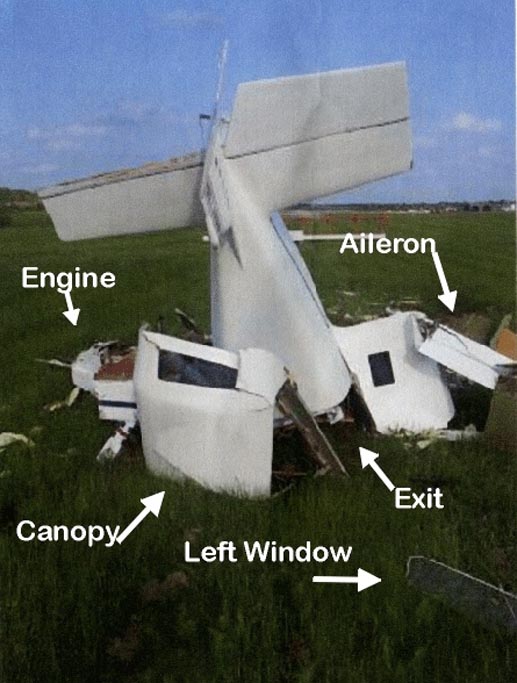
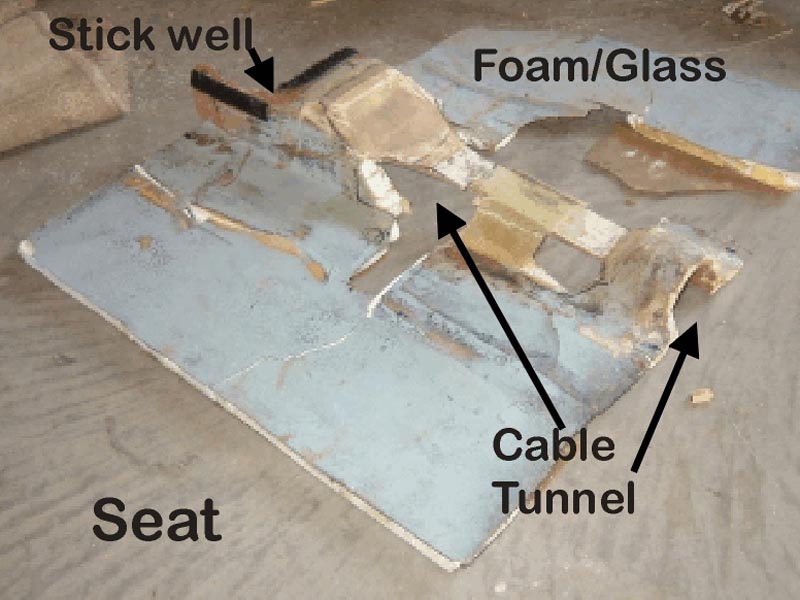
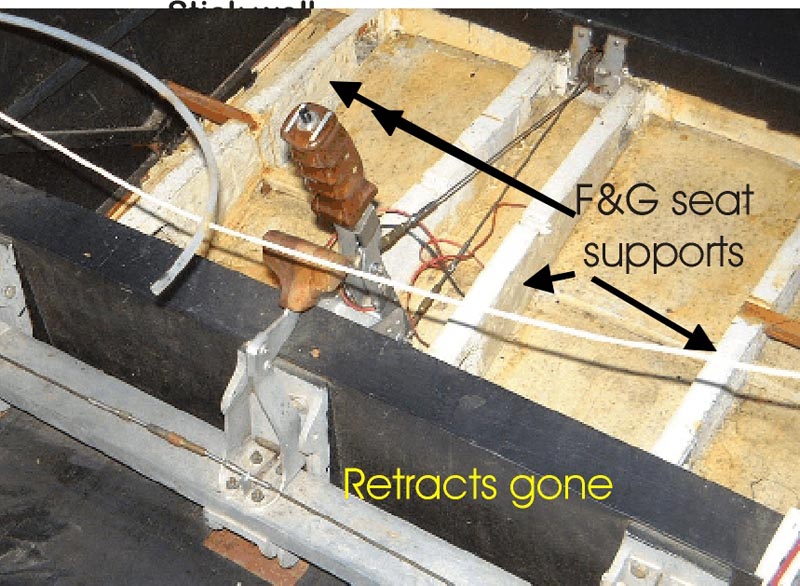
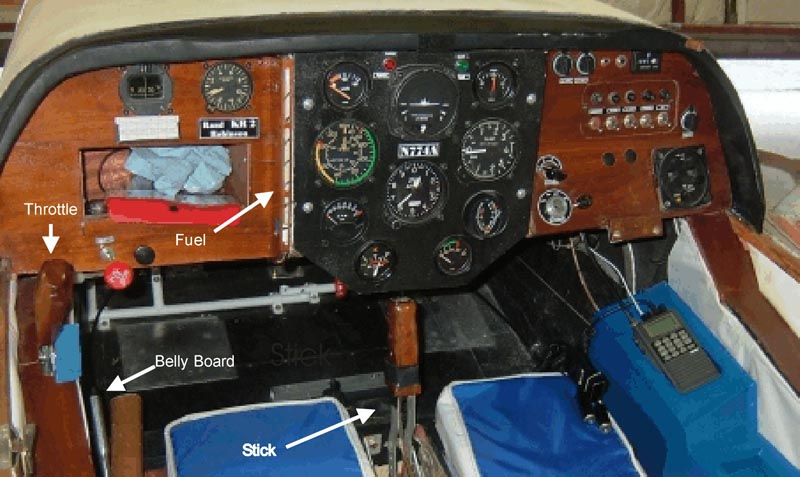
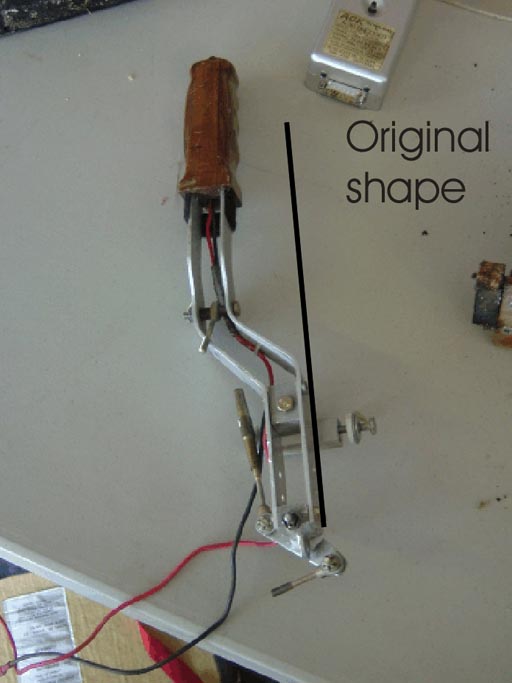
Not sure how the stick got bent so nicely, but the pilot had a bruise in his left groin.
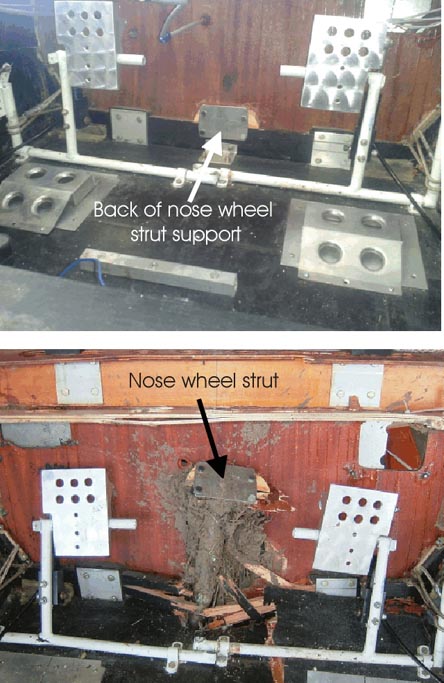
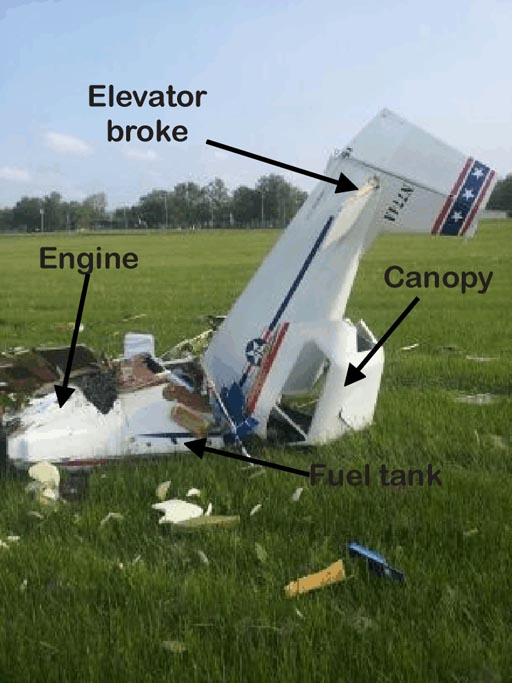
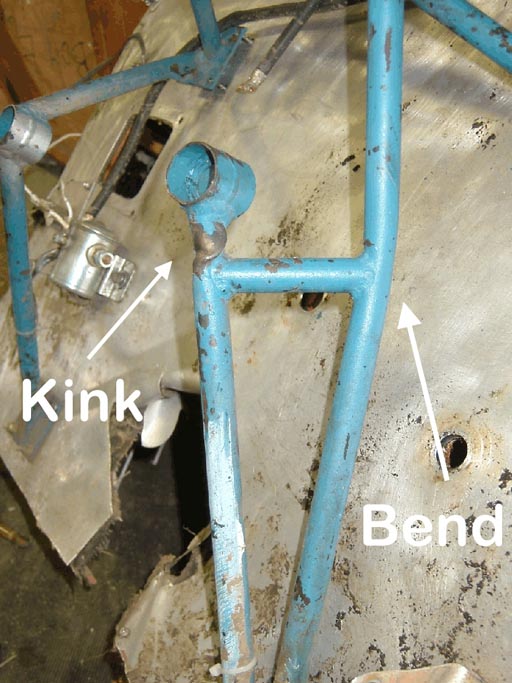
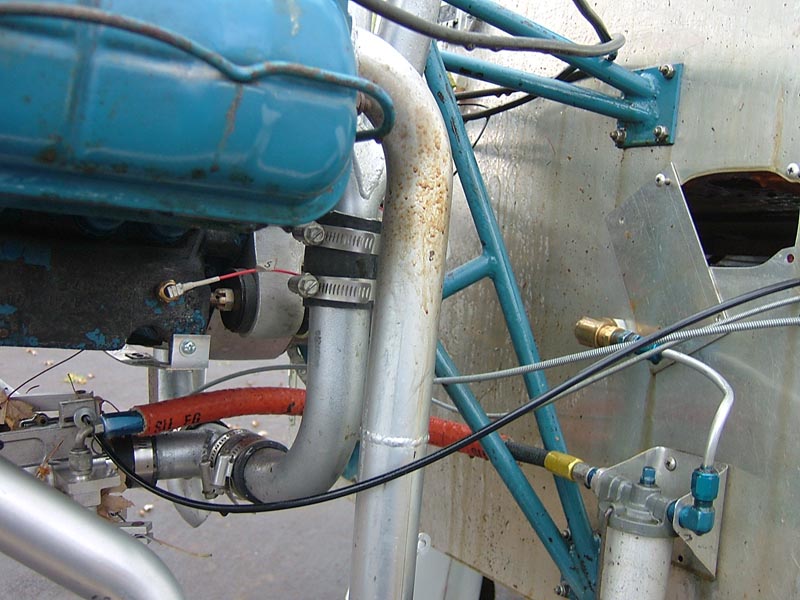
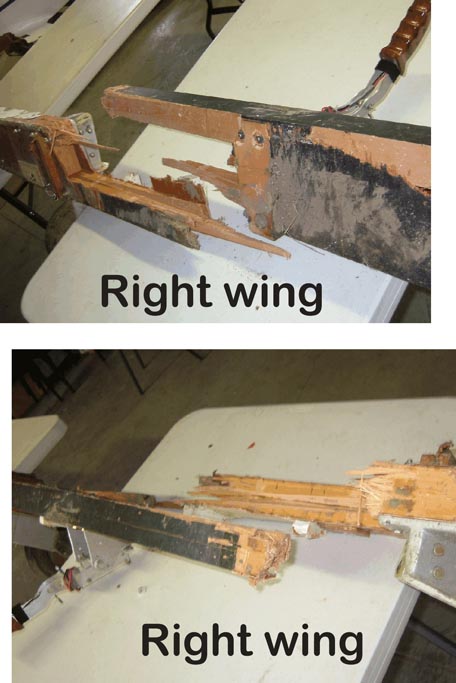
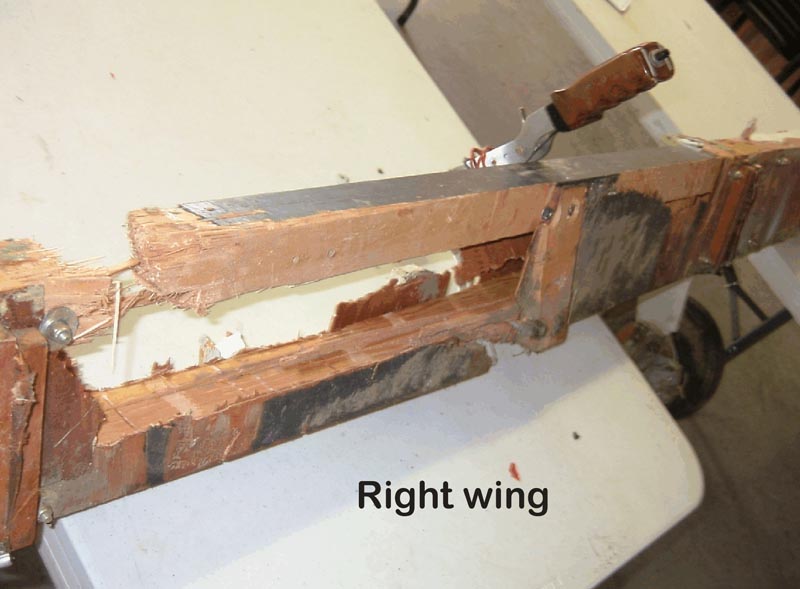
As you can see, the nose strut came back through the firewall. Another major energy absorber, it would appear. The engine, firewall, and fuel tank apparently stayed together, but the engine mount (blue) and the extender (yellow) both bent as the engine turned left, relative to the firewall. The aft spar broke at the fuselage on the right side and split on the wing attach bolt holes on the left. The main spar broke on the right side, between the fuselage side and the center stick.
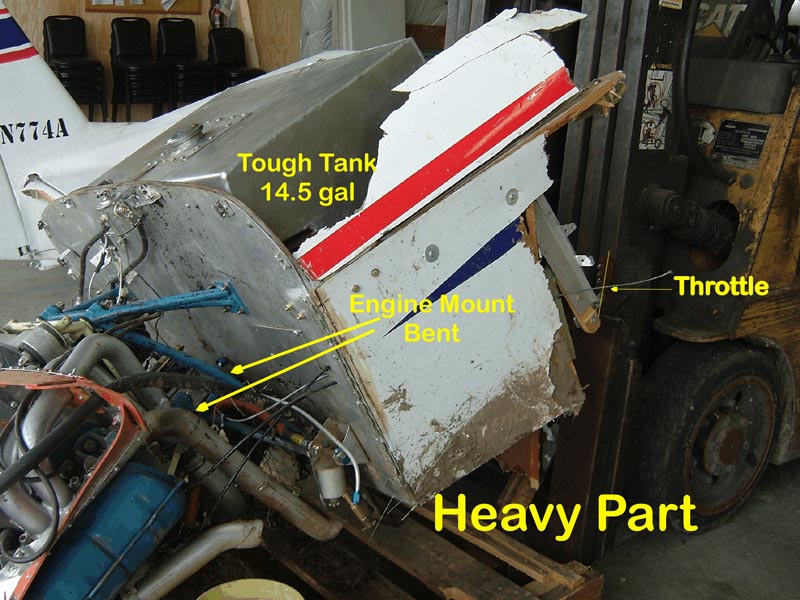
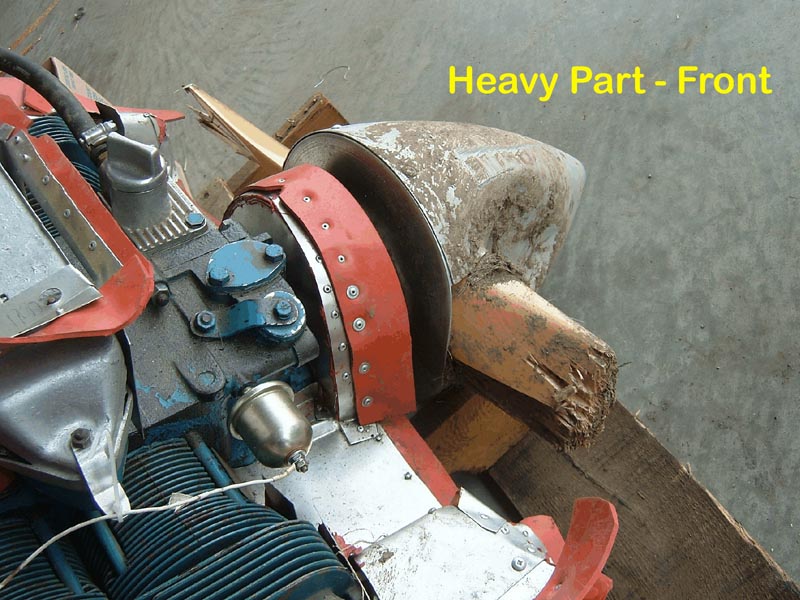
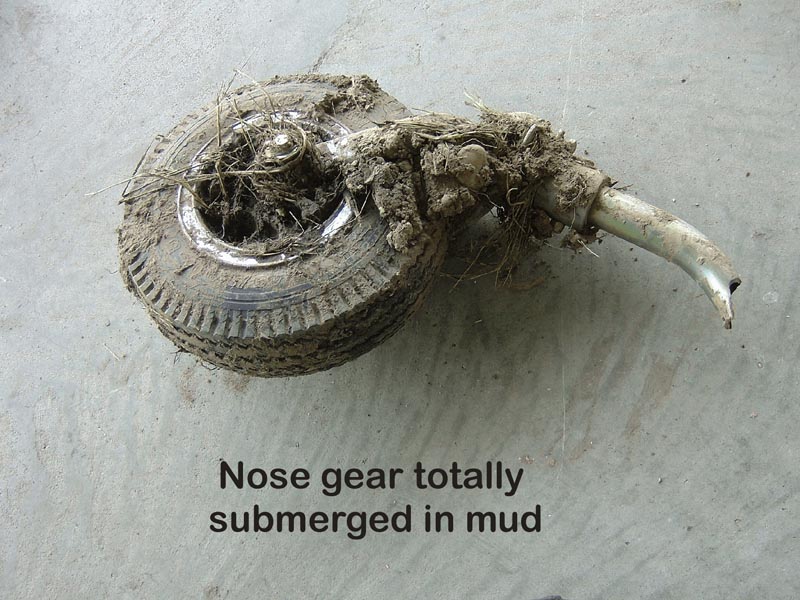
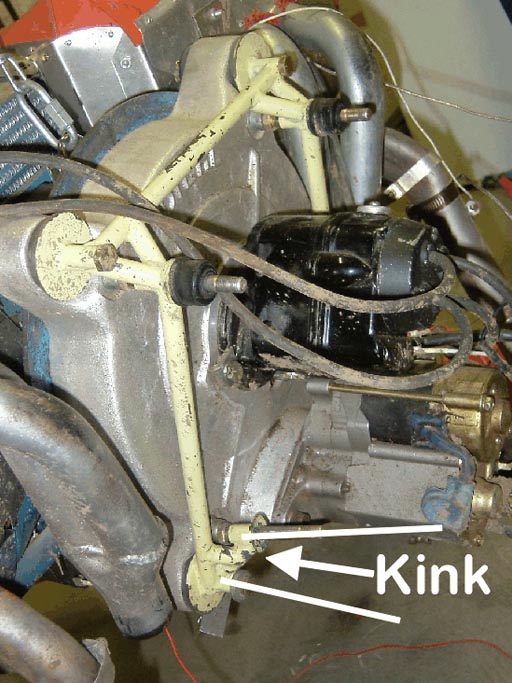
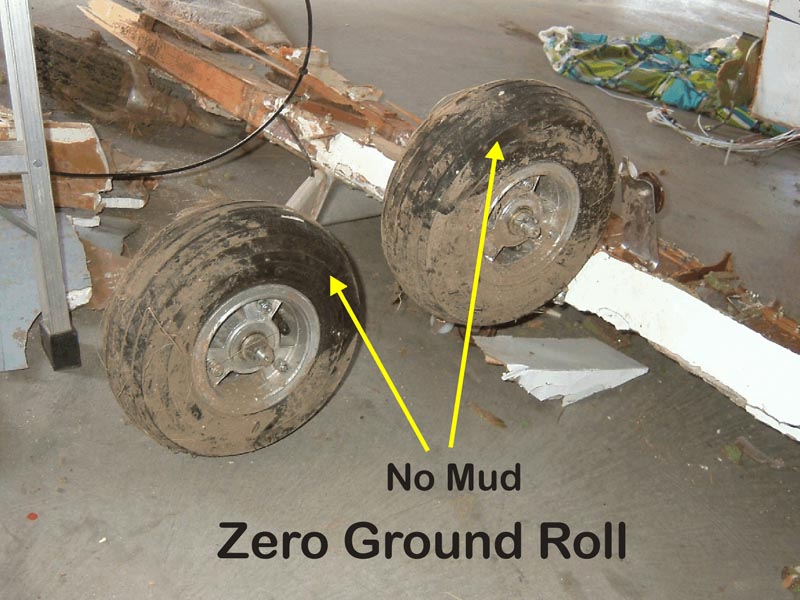
The wheels and tires show the nose gear submerged in mud and the main gear almost, but indicating that they did not turn at all.
Of particular note; both spars broke and the plane essentially separated the front from the tail at the cockpit. There is no doubt in my mind that the destruction pattern is what saved his life. The wreckage looked very similar to pictures I’ve seen before where the pilot survived. The reason the tail is pointing up is that the ground was saturated and the nose wheel went completely underground, broke the strut just above the wheel and then the strut was pushed back through the firewall. (see picture). The nose gear had grass and mud above swivel fork. The main gear had mud on only half of the tire. Obviously there was zero ground roll.
I am now convinced that is about the safest airplane you can build. I do not plan to attempt any rebuild, but will be going through the pieces for several days, salvaging whatever I can.
Email Brad at ankerstarb@embarqmail.com.